Why the New ‘Avengers: Doomsday’ Trailer Just Changed Everything We Know About Victor Von Doom
The landscape of the Marvel Cinematic Universe didn’t just shift—Marvel just dropped a nuclear-grade vibe check. While the official teaser offered a glimpse, the recently released 2-minute and 10-second “Special Look” at Avengers: Doomsday is a masterclass in aura farming that has set the fandom ablaze. After years of “Marvel fatigue” and generic threats, we finally have a villain who doesn’t just enter the scene; he dominates the frame. This isn’t just another trailer; it’s a terrifying manifesto for Victor von Doom.
The Rune Rule: Doom’s Ultimate Home-Field Advantage
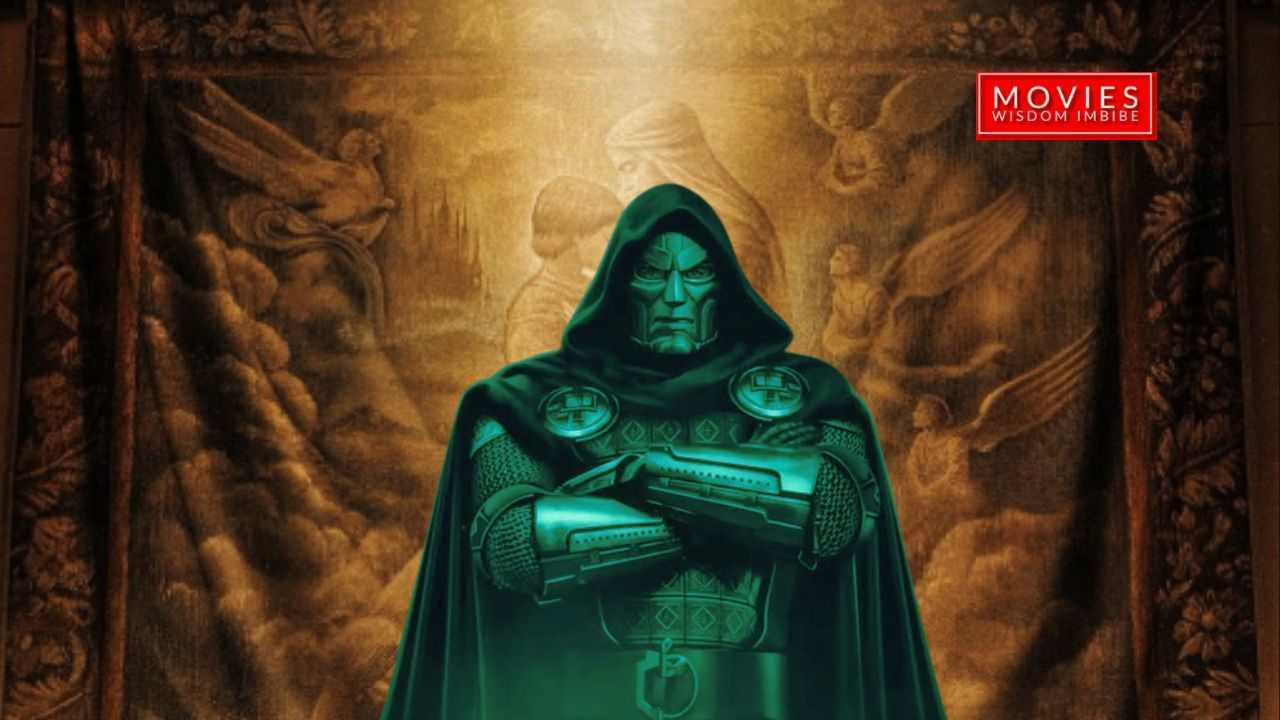
Victor von Doom doesn’t just fight; he’s terraforming the battlefield’s rules before his enemies even arrive. The “Special Look” gives us a chillingly detailed look at the throne room in Doomstadt, but the real story is written on the floor.
Surrounding Doom’s throne are circular green flames and etched runes. For the lore-obsessed, this is a direct callback to the “Rune Rule” established in WandaVision: in a space where a sorcerer has cast their runes, only that caster can utilize magic. By deactivating his enemies’ supernatural tools the moment they step into his domain, Doom establishes the ultimate home-field advantage. This strategic ruthlessness is further highlighted by a blink-and-you’ll-miss-it shot of Magneto in an arm sling. His hands appear “broken,” a tactical move likely orchestrated by Doom to ensure the Master of Magnetism cannot channel his powers. It’s a grim reminder that Victor isn’t just more powerful; he’s smarter.
Sue Storm’s Tears: A Tragic Multiversal Connection
The emotional anchor of the trailer rests on Sue Storm, who appears visibly devastated while reflecting on Victor’s past. Her description paints a portrait of a man who was once a paragon of virtue:
“Victor was the smartest guy in every room… he was different, he was kind, he was caring.”
There is a sophisticated bit of “tricky editing” at play here. While the trailer suggests she’s speaking to the assembled X-Men or Magneto, the background behind Sue—reminiscent of the retro-futuristic Fantastic Four ship—doesn’t match theirs. She’s likely speaking to a variant of Steve Rogers or Reed Richards. Her grief confirms that this Doom likely hails from Earth-828, the Fantastic Four’s home universe. Whether she is mourning the man Victor used to be or the team he likely slaughtered, the connection is deeply personal, anchoring Doom’s villainy in a tragic multiversal history.
The Portrait Mystery: A Mother’s Love or a Father’s Grief?
The trailer pivots to a haunting shot of Doom standing before a portrait of a woman and a child. The visual symmetry is striking: the child in the painting has a hand placed on his chest, a gesture mirrored exactly by Doom as he touches the canvas.
While casual viewers might assume this depicts a lost wife and child, MCU lore experts know this screams Cynthia von Doom. In the comics, Victor’s primary drive is the salvation of his mother’s soul from the demon Mephisto. If the “loss of everything” Sue mentions refers to his mother being snatched away by multiversal chaos, it gives Doom a layered, sympathetic motivation. He isn’t just a tyrant; he’s a grieving son trying to rewrite a cruel Multiverse that stole his mother’s soul.
The Two-Doom Theory: A Costume Swap or a Multiversal Glitch?
The action sequences have ignited a “Two-Doom” theory based on major costume discrepancies. In a sequence featuring a “Super Hero Landing” at the base of a mysterious tower, Doom appears to have been physically ejected—potentially kicked by The Thing, according to early set leaks. In this mid-air shot, a piece of his suit (a sigil or badge) is seen physically detaching and falling away. This version of Doom is less armored and sports only a single sigil on his chest.
Contrast this with the “Final Form” Doom who engages Thor. This version is heavily armored, features multiple sigils, and wears a distinct white cloth band on his arm—a mourning shroud for his lost world. Are we seeing a mid-movie upgrade after a humiliating defeat, or are there two different Victors navigating this conflict? The presence of a “white thread” of mourning on one suit and not the other suggests a profound character evolution—or a multiversal twin.
Power Scaling: When Thor Becomes a Ragdoll
The power scaling in this footage is genuinely frightening. When Doom confronts Thor, he doesn’t just win; he humiliates a God. In a staggering “Two-Finger Block,” Doom stops the full momentum of Stormbreaker with zero effort before discarding the weapon and blasting Thor.
Crucially, Doom’s “Energy Signature” is a blend of emerald green and black “static”—the infamous Kirby Crackle. This black-blended magic signifies the influence of Dark Magic, similar to the Darkhold. Given that all Darkholds were supposedly destroyed in Multiverse of Madness, Doom’s access to this power creates a massive narrative mystery. Furthermore, Doom’s ego is on full display; he uses his magic to literally stand taller than Thor, a “height complex” that is classic Doctor Doom. Thor is rendered unconscious the instant the blast hits him, leaving the audience to wonder: if the God of Thunder is a ragdoll, what hope does the rest of the MCU have?
The Resurrection of the Sentinels
The trailer’s crescendo features Doom standing in a graveyard of fallen Sentinels, likely on a destroyed Earth-10005 (the X-Men’s universe), evidenced by the ruins of the Xavier Mansion. With a wave of his hand, he reactivates the mechanical hunters using a spell that crackles with that same “Science-Magic” black static.
This is the definitive Doctor Doom move. He doesn’t just use sorcery; he uses his genius-level intellect to hijack and re-program technology via the mystic arts. By turning these mutant-killing machines into his own personal legion, he proves that he is the ultimate architect of the Multiverse’s destruction.
Conclusion: A New Era of Doom
This “Special Look” succeeded because it prioritized character depth over simple cameos. Robert Downey Jr. is completely unrecognizable, buried under the mask and the overwhelming presence of the character. This isn’t a “Stark variant” gimmick; this is Victor von Doom, period.
If Victor is truly acting out of the “loss of everything,” as Sue Storm suggests, we are left with a chilling final thought: Is Victor von Doom a villain to be defeated, or a broken man trying to rewrite a cruel Multiverse that failed him? One thing is certain—the era of Doom has arrived, and the MCU will never be the same.# # Why the New ‘Avengers: Doomsday’ Trailer Just Changed Everything We Know About Victor Von Doom
The landscape of the Marvel Cinematic Universe didn’t just shift—Marvel just dropped a nuclear-grade vibe check. While the official teaser offered a glimpse, the recently released 2-minute and 10-second “Special Look” at Avengers: Doomsday is a masterclass in aura farming that has set the fandom ablaze. After years of “Marvel fatigue” and generic threats, we finally have a villain who doesn’t just enter the scene; he dominates the frame. This isn’t just another trailer; it’s a terrifying manifesto for Victor von Doom.
The Rune Rule: Doom’s Ultimate Home-Field Advantage
Victor von Doom doesn’t just fight; he’s terraforming the battlefield’s rules before his enemies even arrive. The “Special Look” gives us a chillingly detailed look at the throne room in Doomstadt, but the real story is written on the floor.
Surrounding Doom’s throne are circular green flames and etched runes. For the lore-obsessed, this is a direct callback to the “Rune Rule” established in WandaVision: in a space where a sorcerer has cast their runes, only that caster can utilize magic. By deactivating his enemies’ supernatural tools the moment they step into his domain, Doom establishes the ultimate home-field advantage. This strategic ruthlessness is further highlighted by a blink-and-you’ll-miss-it shot of Magneto in an arm sling. His hands appear “broken,” a tactical move likely orchestrated by Doom to ensure the Master of Magnetism cannot channel his powers. It’s a grim reminder that Victor isn’t just more powerful; he’s smarter.
Sue Storm’s Tears: A Tragic Multiversal Connection
The emotional anchor of the trailer rests on Sue Storm, who appears visibly devastated while reflecting on Victor’s past. Her description paints a portrait of a man who was once a paragon of virtue:
“Victor was the smartest guy in every room… he was different, he was kind, he was caring.”
There is a sophisticated bit of “tricky editing” at play here. While the trailer suggests she’s speaking to the assembled X-Men or Magneto, the background behind Sue—reminiscent of the retro-futuristic Fantastic Four ship—doesn’t match theirs. She’s likely speaking to a variant of Steve Rogers or Reed Richards. Her grief confirms that this Doom likely hails from Earth-828, the Fantastic Four’s home universe. Whether she is mourning the man Victor used to be or the team he likely slaughtered, the connection is deeply personal, anchoring Doom’s villainy in a tragic multiversal history.
The Portrait Mystery: A Mother’s Love or a Father’s Grief?
The trailer pivots to a haunting shot of Doom standing before a portrait of a woman and a child. The visual symmetry is striking: the child in the painting has a hand placed on his chest, a gesture mirrored exactly by Doom as he touches the canvas.
While casual viewers might assume this depicts a lost wife and child, MCU lore experts know this screams Cynthia von Doom. In the comics, Victor’s primary drive is the salvation of his mother’s soul from the demon Mephisto. If the “loss of everything” Sue mentions refers to his mother being snatched away by multiversal chaos, it gives Doom a layered, sympathetic motivation. He isn’t just a tyrant; he’s a grieving son trying to rewrite a cruel Multiverse that stole his mother’s soul.
The Two-Doom Theory: A Costume Swap or a Multiversal Glitch?
The action sequences have ignited a “Two-Doom” theory based on major costume discrepancies. In a sequence featuring a “Super Hero Landing” at the base of a mysterious tower, Doom appears to have been physically ejected—potentially kicked by The Thing, according to early set leaks. In this mid-air shot, a piece of his suit (a sigil or badge) is seen physically detaching and falling away. This version of Doom is less armored and sports only a single sigil on his chest.
Contrast this with the “Final Form” Doom who engages Thor. This version is heavily armored, features multiple sigils, and wears a distinct white cloth band on his arm—a mourning shroud for his lost world. Are we seeing a mid-movie upgrade after a humiliating defeat, or are there two different Victors navigating this conflict? The presence of a “white thread” of mourning on one suit and not the other suggests a profound character evolution—or a multiversal twin.
Power Scaling: When Thor Becomes a Ragdoll
The power scaling in this footage is genuinely frightening. When Doom confronts Thor, he doesn’t just win; he humiliates a God. In a staggering “Two-Finger Block,” Doom stops the full momentum of Stormbreaker with zero effort before discarding the weapon and blasting Thor.
Crucially, Doom’s “Energy Signature” is a blend of emerald green and black “static”—the infamous Kirby Crackle. This black-blended magic signifies the influence of Dark Magic, similar to the Darkhold. Given that all Darkholds were supposedly destroyed in Multiverse of Madness, Doom’s access to this power creates a massive narrative mystery. Furthermore, Doom’s ego is on full display; he uses his magic to literally stand taller than Thor, a “height complex” that is classic Doctor Doom. Thor is rendered unconscious the instant the blast hits him, leaving the audience to wonder: if the God of Thunder is a ragdoll, what hope does the rest of the MCU have?
The Resurrection of the Sentinels
The trailer’s crescendo features Doom standing in a graveyard of fallen Sentinels, likely on a destroyed Earth-10005 (the X-Men’s universe), evidenced by the ruins of the Xavier Mansion. With a wave of his hand, he reactivates the mechanical hunters using a spell that crackles with that same “Science-Magic” black static.
This is the definitive Doctor Doom move. He doesn’t just use sorcery; he uses his genius-level intellect to hijack and re-program technology via the mystic arts. By turning these mutant-killing machines into his own personal legion, he proves that he is the ultimate architect of the Multiverse’s destruction.
Conclusion: A New Era of Doom
This “Special Look” succeeded because it prioritized character depth over simple cameos. Robert Downey Jr. is completely unrecognizable, buried under the mask and the overwhelming presence of the character. This isn’t a “Stark variant” gimmick; this is Victor von Doom, period.
If Victor is truly acting out of the “loss of everything,” as Sue Storm suggests, we are left with a chilling final thought: Is Victor von Doom a villain to be defeated, or a broken man trying to rewrite a cruel Multiverse that failed him? One thing is certain—the era of Doom has arrived, and the MCU will never be the same.
Recommended for you:
- Ramayana Part 1 Trailer: When Ancient Epic Meets Modern Ambition — And Why India Needs to Forget What It Knows
- The MCU Just Changed Forever — And Nobody Saw It Coming
- The $110B Hollywood Merger Just Hit a Wall — And the Clock Is Ticking Toward a $7M-a-Day Deadline
Related posts:
 Avengers: Doomsday – Marvel’s Biggest Crossover Yet Unites X-Men, Fantastic Four, and Thunderbolts
 Avengers: Doomsday Trailer Breakdown: 11 Hidden Details You Probably Missed About Doctor Doom, Thor & the MCU’s Future
 Captain America: Brave New World – A Bold New Chapter or a Missed Opportunity?
 Spider-Man: Brand New Day — Peter Parker’s Most Terrifying Transformation Yet