The $110B Hollywood Merger Just Hit a Wall — And the Clock Is Ticking Toward a $7M-a-Day Deadline
Why a California judge’s latest ruling could cost Paramount Skydance millions — and what the Ellisons’ alleged Trump deal means for CNN’s future
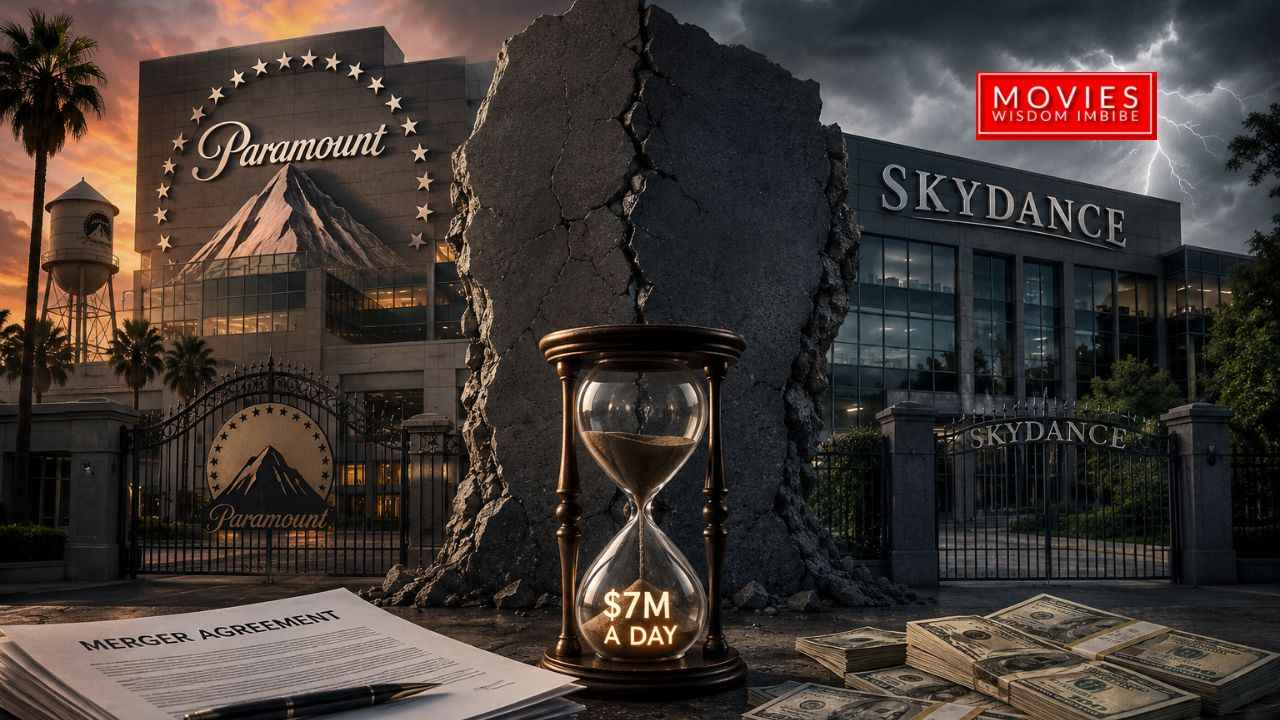
July 24, 2026 — A federal judge has slammed the brakes on what would be the biggest merger in Hollywood history, extending the emergency pause on Paramount Skydance’s $110 billion acquisition of Warner Bros. Discovery through August 17 — and setting up a high-stakes legal showdown that could reshape the entertainment landscape for decades.
U.S. District Judge Araceli Martínez-Olguín issued the ruling Thursday, deepening the legal uncertainty around a deal that would unite CBS, CNN, HBO, Nickelodeon, and the Warner Bros. and Paramount film studios under one roof. The decision comes just days after she first halted the transaction with a 14-day temporary restraining order on July 21.
The $7 Million Question Nobody’s Talking About
While headlines focus on the antitrust battle, there’s a financial time bomb ticking in the merger agreement that most coverage is missing.
If the deal isn’t closed by September 30, Paramount must begin paying Warner Bros. Discovery shareholders $7 million per day — a penalty that could bleed the company dry if litigation drags on. The agreement gives Paramount until June 4, 2027, to complete the acquisition, but with a preliminary injunction hearing scheduled for August 3, the next two weeks could determine whether this merger survives at all.
Paramount’s legal team filed a proposal Wednesday seeking a three-day evidentiary hearing the week of August 17 or August 24, arguing the deal actually bolsters competition rather than harms it. The Writers Guild of America has also filed a challenge that will be heard alongside the states’ case at the August 3 hearing.
Why 12 States Are Fighting This Deal
The restraining order came after a coalition of 12 state attorneys general, led by California’s Rob Bonta, filed an antitrust lawsuit on July 13 in the Northern District of California. The suit alleges the merger violates Section 7 of the Clayton Act, arguing the combined entity would control roughly:
- 27% of wide-release theatrical distribution
- 30%+ of anticipated blockbuster films
The states argue this consolidation would lead to higher prices, fewer movies and TV shows, and diminished competition — directly contradicting the Department of Justice’s approval of the deal just a month earlier.
The Trump-CNN Side Deal Allegation That Could Blow Everything Up
Adding explosive fuel to the fire, a shareholder lawsuit filed July 15 in Delaware Chancery Court accuses David Ellison and his father, Oracle co-founder Larry Ellison, of striking an undisclosed agreement with President Trump to secure federal approval.
The complaint alleges the Ellisons promised to:
- Overhaul CNN to align with the Trump administration’s preferences
- Settle Trump’s legal claims against the network
- Provide up to $20 million in free advertising
This bombshell comes after Paramount Global announced a $16 million settlement of Trump’s lawsuit against CBS’s “60 Minutes” on July 1 — a move critics have described as a political quid pro quo.
What Happens Next: Three Scenarios
Table
| Scenario | Likelihood | Impact |
|---|---|---|
| Judge grants preliminary injunction (Aug. 3) | Moderate | Deal could be blocked for months or years; $7M/day clock starts ticking |
| Judge denies injunction, allows deal to close | Moderate-High | States likely appeal; political firestorm intensifies |
| Paramount wins at evidentiary hearing (Aug. 17-24) | Unclear | Fastest path to resolution, but legal challenges remain |
Why This Matters Beyond Hollywood
This isn’t just about corporate consolidation — it’s about who controls the information Americans consume. If the merger proceeds, a single entity would own:
- CNN + CBS News (two of America’s largest news networks)
- HBO Max + Paramount+ (major streaming platforms)
- Warner Bros. + Paramount film studios (controlling ~30% of theatrical releases)
With allegations of political interference swirling and antitrust regulators split (DOJ approved, 12 states suing), this case is being watched as a bellwether for media consolidation in the Trump era.
The Bottom Line
The August 3 hearing isn’t just another court date — it’s the moment this $110 billion deal either gets a lifeline or faces a potentially fatal blow. With the $7 million daily penalty looming, shareholders on both sides, and a political scandal threatening to overshadow the antitrust arguments, Hollywood’s biggest merger is also its most precarious.
The question isn’t whether this deal will close — it’s whether it can survive the next 30 days.
Stay updated on this developing story. Bookmark this page for the latest on the Paramount-Warner Bros. merger, antitrust hearings, and the Ellison-Trump allegations.
Recommended for you:
- Clayface Trailer Reaction: DC Studios Just Dropped the Most Disturbing Superhero Movie of 2026
- Avengers: Doomsday Trailer Breakdown: 11 Hidden Details You Probably Missed About Doctor Doom, Thor & the MCU’s Future
Related posts:
 Netflix Just Bought Harry Potter, Batman & Game of Thrones in $83 Billion Heist – Hollywood Is Dead
 Park Hae-soo and Kim Tae-hee Set for Hollywood Debut in Spy Thriller “Butterfly”.
 Bradley Cooper’s Emotional Interview Sparks Controversy Amidst “Maestro” Release.
 Los Angeles & McLeod’s Daughters Star Rachael Carpani Dies at 45 After Secret Battle with Chronic Illness